
Grain and Granite: Shooting the High Country on Film
Step into winding stone lanes and along wind-carved ridgelines with a camera that clicks, winds, and whispers tradition. This guide explores analog photography in alpine villages and backcountry trails, offering practical techniques, heartfelt stories, and field-tested wisdom to help you craft evocative frames, travel safely, and return with negatives worthy of silver-rich prints.
Cameras That Survive the Summit
Choose fully mechanical shutters that ignore drained batteries and keep timing honest when frost stiffens grease. Bodies like the Pentax K1000, Olympus OM-1, or a well-serviced FM2 shrug off cold and bumps. Test speeds before departure, carry a simple cloth to brush snow, and prefer bright, uncluttered viewfinders that help you compose quickly when wind, altitude, and thin gloves mute dexterity.
Lenses for Tight Lanes and Vast Ridges
For village narratives, a 28mm or 35mm frames doorways, bread carts, and steep staircases without suffocating perspective. On open ridgelines, a 50mm or 85mm isolates hikers against layers of peaks, while a light 135mm compresses distant folds. Use modest apertures for edge-to-edge clarity, pack a compact hood, and standardize filter sizes to streamline polarizers and colored glass under fickle mountain light.
Films that Love Thin Air and Stone Streets
Altitude sharpens contrast while reflective snow and pale plaster trick meters. We’ll compare forgiving color emulsions with tight-grained options, reliable black-and-white stocks that flex for push or pull, and specialist night choices for inns and chapels. Expect candid notes on reciprocity quirks, latitude under shifting clouds, and how temperature swings affect curl and handling, so your final negatives feel coherent from bakery dawns to moonlit passes.
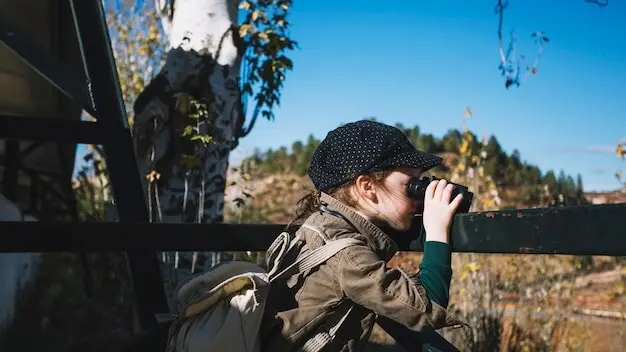
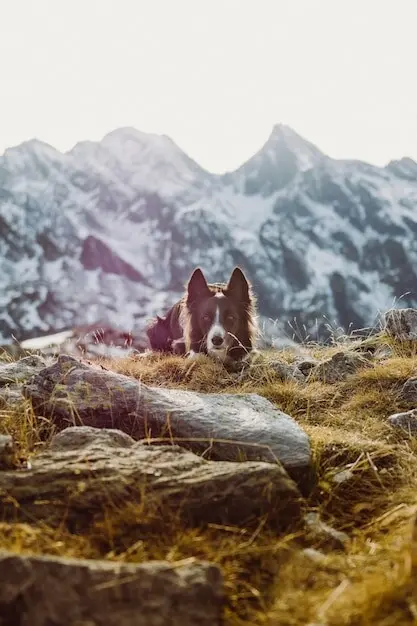
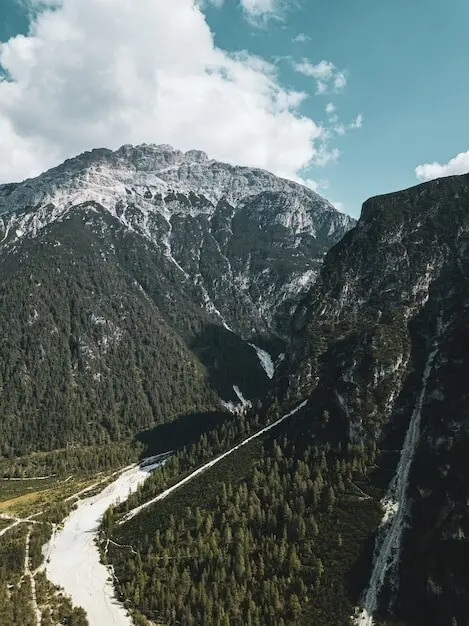
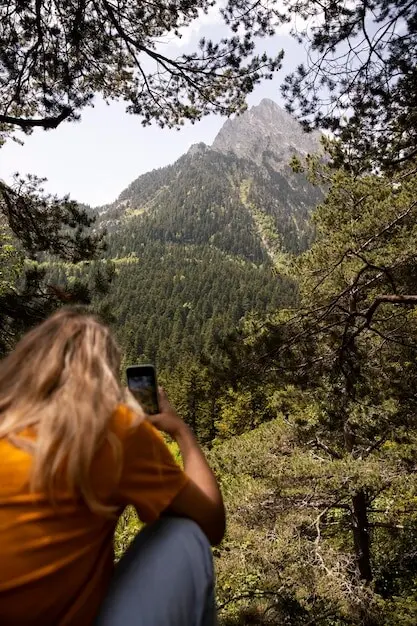
Mastering Light: Snow, Fog, and Shadowed Alleys
Think in zones: if snow should glow with texture, place it around Zone VII or VIII, adding roughly one and a half to two stops over a reflective meter reading. Shield the lens from veiling glare and avoid overusing polarizers, which can blotch skies. If your camera lacks spot metering, meter your palm, add a stop, and bracket sparingly. Texture in drifts and cornices rewards this disciplined generosity.
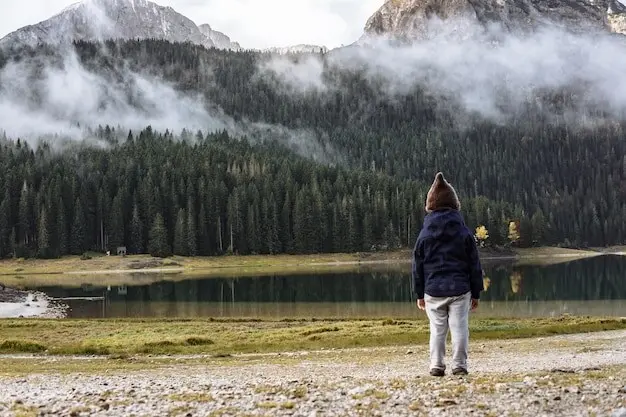
Fog erases microcontrast but gifts mood. Overexpose by about one stop to hold midtones, and compose for shape rather than detail. Work with a hood to guard against flare, and carry a microfiber to sweep fine droplets. Keep film dry inside zip bags, then acclimate before opening. An early hike taught me that hesitation kills photographs; set baseline exposure, pre-focus to a comfortable distance, and shoot deliberately as gaps in cloud stroll past.
Alpine lanes often blend warm interiors spilling through windows with cool skylight bouncing off stone. Decide whether to correct or celebrate the difference: an 81C gently warms faces near snow, while tungsten-balanced film outdoors yields electric blues worth keeping. Bracket decisive gestures rather than static walls. Include a coat flap, bakery steam, or prayer bell rope as a human anchor that harmonizes clashing hues into a believable moment.
Compositions That Breathe: Villages and Vistas
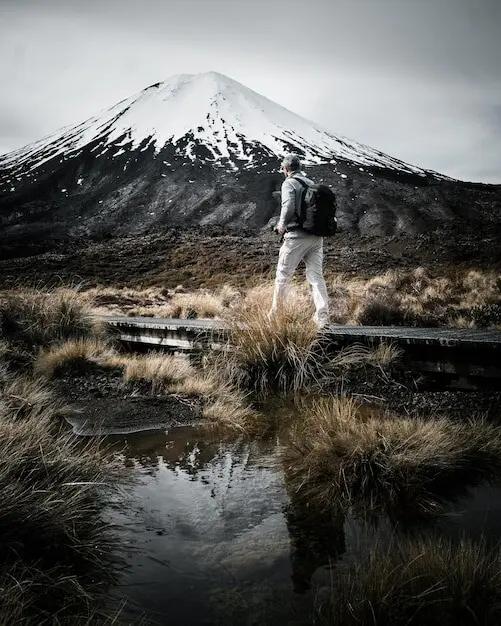
Great frames balance intimacy and expanse. In villages, let doorways, railings, and winding steps guide the eye; on ridges, stage scale with hikers, cairns, or flowers against distant ice. Wait for traveling shadows to carve shape from roofs and meadows. Edit out clutter by shifting your feet, not zooming. Patience with clouds and footsteps teaches rhythm, and rhythm makes scenes feel naturally inhabited rather than arranged.
Fieldcraft and Safety for Film Shooters
Film asks you to slow down, but mountains demand swift judgment. Learn local forecasts, carry a paper map, and stash headlamps even for short walks to vespers. Guard against dehydration and snow blindness, and know when to turn back. I once chased sundown too high, then realized the last switchbacks iced over; descending early saved the frame sequence and, quietly, us. Good photographs follow good decisions.
From Backpack to Darkroom: Keeping the Look Cohesive
Consistency turns a trip’s fragments into a story. Limit yourself to one or two color films and a familiar developer for monochrome, and embrace a repeatable meter rating. Keep contact sheets, notes on filtration, and a shared contrast target, so village portraits and wind-cut summits live comfortably together. When sharing, pair prints thoughtfully, and consider returning copies to participants; community completes the circle that begins with a click and a breath.
Consistent Exposure and Notes for Reliable Results
Rate films deliberately—Portra 400 at 200 for generous shadows, Tri-X at 320 for rounded midtones—and stick with choices across days. Keep a pocket notebook or voice memo with frame numbers, filters, and light notes. Number rolls, marking push or pull clearly to guide labs or your own tanks. Consistency earns coherence, making edits easier later and inviting viewers to travel through your sequence without stumbling over jarring changes in density or color cast.
Development Choices that Support the Mood
Choose chemistry like seasoning. Rodinal sharpens edges and announces grain, perfect for splintered beams and scree; D-76 sweetens tones for faces and fog. When pushing, temper agitation to keep highlights from galloping away. Color needs communication: ask labs for Noritsu or Frontier scans depending on palette, and request neutral corrections. I once recovered a muddy village evening by re-scanning with restrained contrast, protecting warm window light and the hush that memory insisted on.
Sequencing, Prints, and Community
Editing is generosity toward viewers. Build rhythm with repeated motifs—eaves, bootprints, kettle steam—then surprise with the openness of a summit spread. Print small work prints, shuffle on a table, and listen for a pulse. Pair portraits beside landscapes that echo their textures. Bring a handful of postcards back to villagers, include a QR linking to a newsletter, and invite stories in return. Participation turns photographs into correspondence, and your next journey begins with those conversations.